
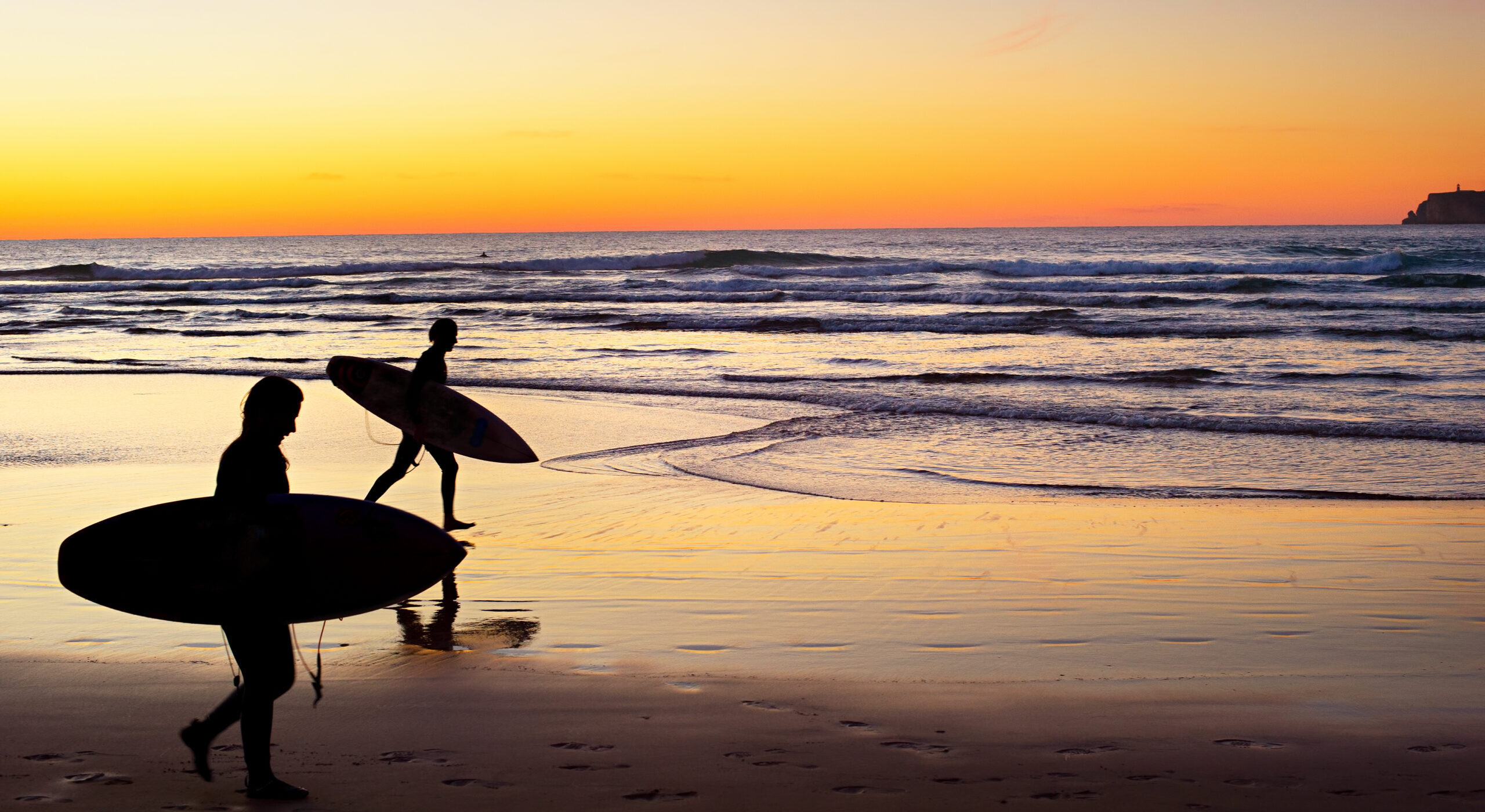
Pico has a distinct scale and mood. The mountain dominates the horizon, black-lava vineyard walls shape the coast, and small communities reflect a long relationship with the Atlantic.
Why visit Pico?
Pico feels more elemental than many first-time visitors expect. The mountain, black-lava vineyard walls, open Atlantic views and small coastal communities give the island a strong visual identity.
Places and experiences to prioritize
Mount Pico; the UNESCO-recognized vineyard landscape; lava-wall vineyards around the west coast; Lajes do Pico and whale heritage; volcanic lakes and highland roads; wine tasting; lava-rock swimming areas and Atlantic viewpoints.
Where to base yourself
Madalena is convenient for ferry connections to Faial and for the vineyard landscape on the west side. Lajes do Pico emphasizes whale heritage and the south coast, while São Roque can suit a slower north-coast stay.
Plan the island by area
Madalena & the west-coast vineyards
The west is the easiest place to understand Pico’s vineyard culture and its visual relationship with Faial. Combine Madalena with lava-wall vineyards, wine experiences and coastal viewpoints rather than treating it only as a ferry port.
Mount Pico & the highlands
The mountain shapes the whole island even if you do not climb it. Keep weather flexibility for any summit plan, and use the highland roads and lakes as an alternative when conditions are unsuitable.
Lajes do Pico & the south coast
Lajes adds the island’s strongest whale-history perspective and a slower south-coast rhythm. It pairs naturally with ocean experiences and scenic drives through smaller communities.
São Roque & the north/east
The north and east are quieter and help round out the island beyond its best-known west-coast vineyards. Use them for coastal stops, local museums, viewpoints and a less hurried driving day.
Do not turn the island into a checklist. Build each day around one geographic area so there is time for viewpoints, short walks, meals and the weather changes that are normal in the Azores.
How long should you stay?
For most travelers, 3–4 nights is a useful starting point. Three or four nights is a useful minimum for travelers who want more than a quick mountain photograph. Add time if climbing Mount Pico, visiting wineries or pairing the island with whale-related experiences.
A realistic 3–4 night approach
Pico works best when you protect one flexible weather window for the mountain and give the vineyard and whale-heritage sides of the island separate attention.
- Use one day for Madalena, the west-coast vineyard landscape and wine culture.
- Keep one day flexible for Mount Pico or a highland alternative if summit conditions are poor.
- Give Lajes do Pico and the south coast their own half or full day, especially if whale heritage or an ocean excursion matters.
- Use remaining time for São Roque, the north/east coast, swimming areas or a ferry connection to Faial without turning the whole stay into a transfer.
See a Pico + Faial option in our 7-day itinerary guide →
See how trip length affects the number of islands you should include →
Getting there and getting around
The island is served by PIX — Pico Airport. Flight and ferry schedules can vary by season and weather, so confirm the transportation pattern for your dates before locking in accommodation.
A rental car is strongly useful. Distances are manageable, but attractions are spread around the island and the volcanic landscape rewards unhurried scenic driving.
What should you pair it with?
Pico is especially easy to think of together with nearby Faial and São Jorge. A multi-island Central Group stay can offer very different landscapes without requiring long distances between each stop.
Good to know before you go
- If climbing Mount Pico is important, keep weather flexibility rather than assigning the hike to only one fixed morning.
- The UNESCO vineyard landscape is not just a winery stop; allow time to understand the lava-wall pattern and coastal setting.
- Pico, Faial and São Jorge form one of the most natural multi-island clusters in the archipelago.
Planning a complete Azores vacation?
Use this guide for independent research, then continue to Azores.com when you want help coordinating hotels, transportation, tours and a multi-island itinerary.