
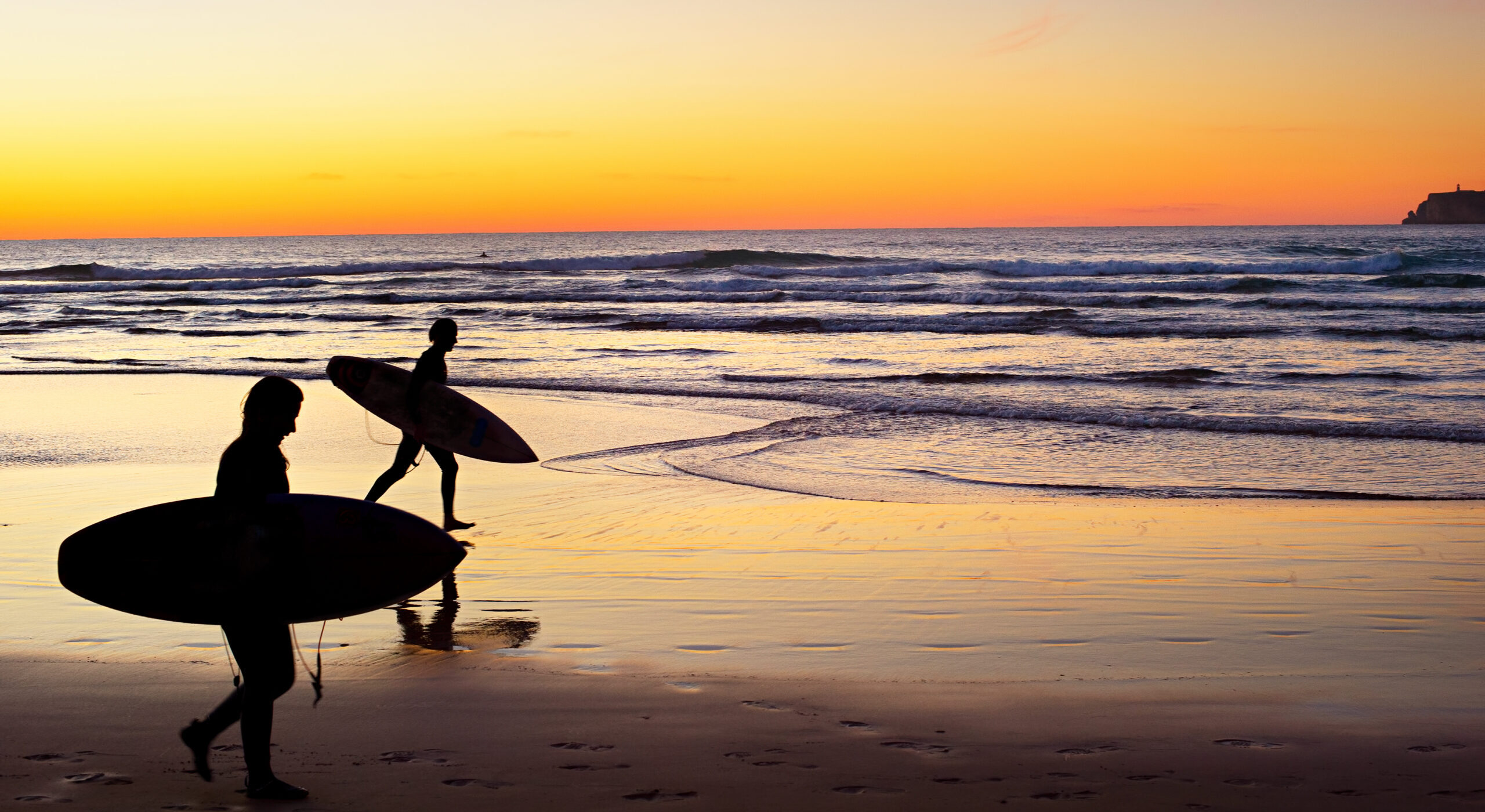
Flores is one of the most visually dramatic islands in the archipelago, with abundant water, deep green valleys, crater lakes and rugged Atlantic scenery.
Why visit Flores?
Flores is defined by water and scale: waterfalls, crater lakes, steep valleys and a remote Atlantic setting. It is one of the islands where weather is not an inconvenience around the scenery—it is part of the scenery.
Places and experiences to prioritize
Poço da Ribeira do Ferreiro and the waterfall amphitheater; Fajã Grande; crater lakes; Rocha dos Bordões; remote coastal viewpoints; walking routes; waterfalls and green valleys across the island.
Where to base yourself
Santa Cruz das Flores is practical for the airport and services, while the west side around Fajã Grande places you close to some of the island’s most dramatic waterfalls and sunsets. A split stay can make sense on a longer visit.
Plan the island by area
Santa Cruz & the east
Santa Cruz is the practical arrival base and gives easy access to services, coastal pools and the island’s east side. It works well for arrival/departure time or a lighter day between larger landscape loops.
Central plateau & crater lakes
The high interior is defined by lakes, cloud and shifting visibility. Treat the plateau as weather-dependent and be ready to reverse the day if the coast is clear while the interior remains covered.
Fajã Grande & the west
The west is the island’s most dramatic waterfall country. Fajã Grande, the waterfall amphitheater and the Atlantic edge deserve a full regional day instead of being compressed into a quick cross-island drive.
Lajes, Rocha dos Bordões & the south
The south adds villages, volcanic formations and broad scenic roads. It rounds out the island and is useful when conditions are less favorable on the high plateau or west coast.
Do not turn the island into a checklist. Build each day around one geographic area so there is time for viewpoints, short walks, meals and the weather changes that are normal in the Azores.
How long should you stay?
For most travelers, 3–4 nights is a useful starting point. Three or four nights gives a much better chance of seeing the island in varied conditions. A short stay can work, but it leaves less margin when clouds, wind or rain change the day’s priorities.
A realistic 3–4 night approach
The best Flores plan is intentionally flexible. Give the west, plateau and east/south separate opportunities so one cloudy period does not define the whole visit.
- Give Fajã Grande and the west-coast waterfalls their own day when visibility and wind cooperate.
- Use another day for the central lakes and plateau, shifting the timing if clouds are sitting over the high ground.
- Use a third day for Santa Cruz, Lajes, Rocha dos Bordões and the south/east side of the island.
- Keep any remaining time flexible for hiking, a Corvo excursion, photography or revisiting the clearest part of the island.
See how trip length affects the number of islands you should include →
Getting there and getting around
The island is served by FLW — Flores Airport. Flight and ferry schedules can vary by season and weather, so confirm the transportation pattern for your dates before locking in accommodation.
A rental car is the most practical way to reach viewpoints, lakes and villages. Roads are scenic and can be narrow or winding, so plan modest daily distances.
What should you pair it with?
Flores is often paired with Corvo. Because Western Group travel can be more weather-sensitive, it is wise to avoid building an itinerary with connections that leave no margin for changes.
Good to know before you go
- Keep a flexible list of viewpoints so you can change direction when one part of the island is clearer than another.
- Do not schedule the Western Group immediately before an irreplaceable international departure.
- Corvo is the natural companion island, but excursions and transportation remain sensitive to Atlantic conditions.
Planning a complete Azores vacation?
Use this guide for independent research, then continue to Azores.com when you want help coordinating hotels, transportation, tours and a multi-island itinerary.