
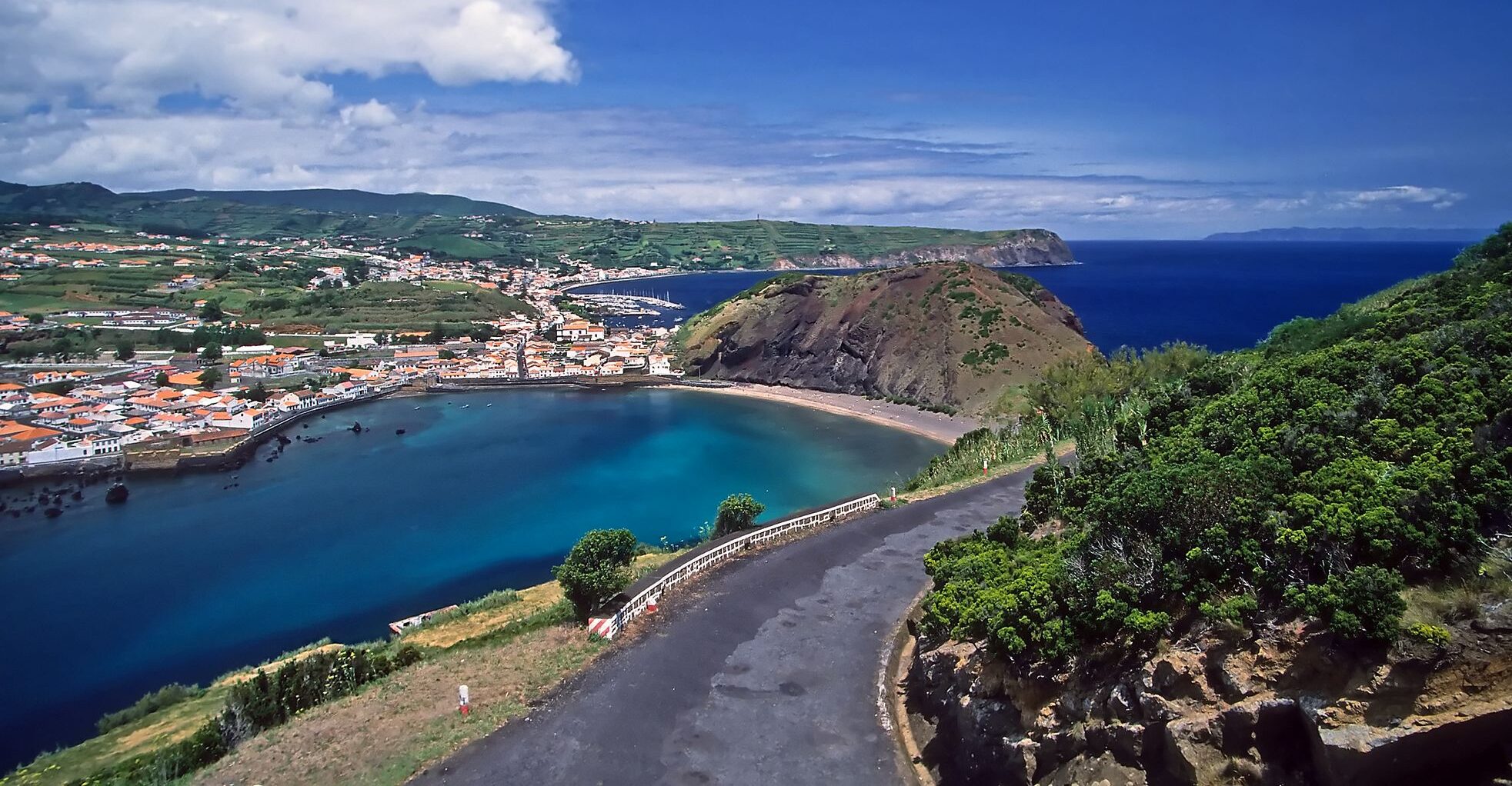
There is no single best month for every traveler. The Azores have an oceanic climate, and weather can change quickly in any season. The better question is: which season best matches the trip you want?
Spring
Spring brings greener landscapes, lengthening days and a transition toward busier outdoor travel. It can be a good fit for travelers who value nature, walking and a quieter rhythm and who do not require the most settled conditions every day.
Build some flexibility into viewpoint and hiking days. A mixed forecast does not automatically mean a lost day because conditions can vary substantially around an island.
Summer
Summer generally brings the longest days and the strongest demand for accommodation, rental cars and popular activities. It is an appealing period for island hopping, scenic driving and long outdoor days, but the structural pieces of the trip are worth reserving earlier.
If you are combining several islands, confirm flights, ferries, hotels and rental cars before filling the itinerary with fixed-time activities.
Autumn
Early autumn can still work very well for active travel, while later months tend to require more weather flexibility and shorter usable days. Travelers who prefer a quieter atmosphere may find the tradeoff worthwhile.
As the season progresses, keep transfer days conservative and avoid building a trip in which every major outdoor experience has only one possible day.
Winter
Winter can be rewarding for a slower single-island trip, especially when the goal is scenery, food, culture and flexible driving rather than an ambitious island-hopping schedule. Shorter daylight and Atlantic weather variability should shape expectations.
A comfortable base and an itinerary with indoor or low-elevation alternatives are more useful than trying to reproduce a summer schedule.
Plan for microclimates
Conditions at a crater rim, along the coast and in a sheltered town can be very different on the same day. Keep some activities flexible and use local forecasts close to the day rather than trying to lock every outdoor plan months in advance.
The practical lesson is simple: decide the broad route in advance, but let the day-to-day order respond to visibility, wind and sea conditions.
Choose the season by priority
Longest outdoor days
Favor the brighter, busier part of the year when long sightseeing days and multi-island travel matter most.
Quieter travel
Shoulder periods can be attractive when lower intensity matters more than having the most predictable outdoor conditions.
Hiking & viewpoints
Choose a period that gives you enough daylight and itinerary margin, then keep individual trail and viewpoint days flexible.
Slow single-island trips
Cooler, quieter periods can work well when you are comfortable adapting the day to Atlantic weather.